The Flat Pack Container House market is expanding beyond temporary site offices and emergency accommodation. In 2026, buyers want faster installation, lower transport costs, and dependable year-round comfort. They also expect clearer documentation. A steel frame alone does not prove quality.
This guide introduces the Top 10 Flat Pack Container House Manufacturers in 2026. It compares manufacturing experience, material specifications, insulation systems, structural testing, delivery capacity, customization, and after-sales support. Practical details matter. For example, a reliable supplier should explain wall thickness, roof loading, drainage design, fire performance, and corrosion protection. A factory visit or verified project record can reveal more than polished photographs.
Carl Elefante, an architect and sustainable building authority, said, “The greenest building is the one that is already built.” That idea deserves careful thought here. Reusing modular components can reduce waste, but transport distance, replacement parts, and operating energy still affect the final result. Not every “eco” claim survives close inspection.
Regional standards also change the decision. A house designed for a mild climate may perform poorly under heavy snow, strong coastal winds, or extreme heat. Some manufacturers offer excellent shells but weak interior finishes. Others promise low prices while excluding foundations, utilities, or installation. That can create uncomfortable surprises.
This ranking is not a perfect answer. Markets shift, certifications expire, and factory capacity fluctuates. However, it offers a practical starting point for developers, contractors, and private buyers seeking a safer, more transparent Flat Pack Container House investment.
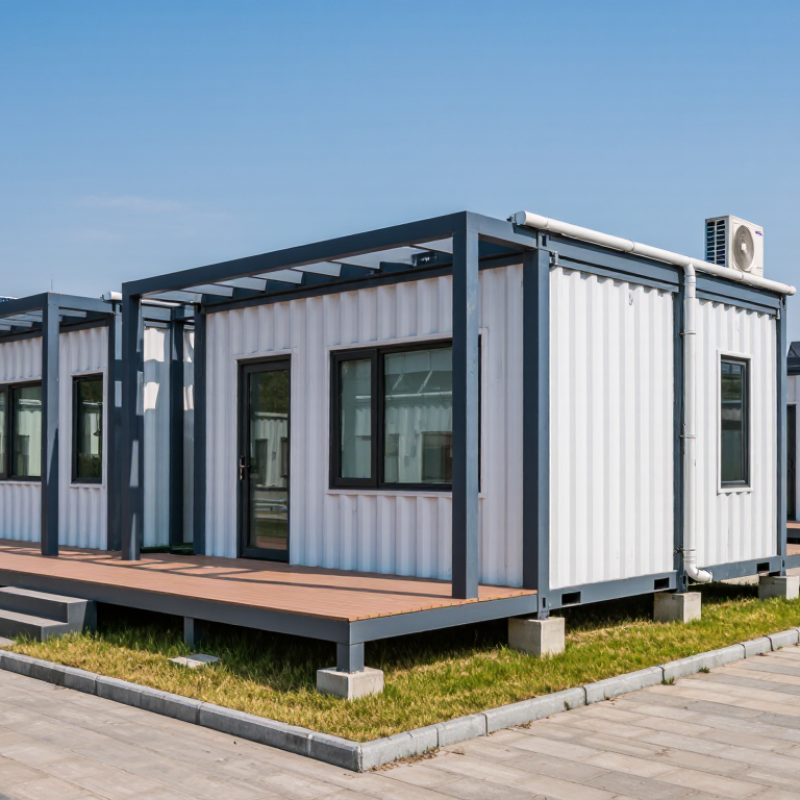
A flat pack container house is a prefabricated building designed for efficient transport and quick assembly. Its steel frame, wall panels, roof, floor, doors, and windows are manufactured in a factory. These components are then folded or packed into compact bundles. At the site, workers connect them with bolts and basic lifting equipment.
The term “container house” can be misleading. It is not always a converted shipping container. Many models use a modular steel structure with insulated sandwich panels. A typical unit may include wiring, lighting, plumbing, and a finished floor. However, specifications vary widely. Buyers should check panel thickness, insulation performance, drainage details, and connection quality. Small gaps around doors can cause drafts, condensation, and heat loss.
A professional assessment also considers the ground, wind exposure, snow load, and local building requirements. The foundation may use concrete pads, strips, or another engineered solution. Transport access matters too. A narrow road or soft site can delay installation. Flat pack construction can reduce labor time, but it is not automatically cheap or sustainable. That assumption deserves review. Acoustic privacy may also be weaker than expected. Careful sealing, ventilation, and interior lining often make the difference between a temporary-feeling room and a practical one.
The top ten flat pack container house manufacturers were evaluated through evidence, not promotional claims. Our review examined factory records, engineering drawings, material samples, and completed projects. Where possible, evaluators checked production areas, connection details, and packing methods. A clean showroom helped, but it was never enough.
Structural performance carried significant weight. We reviewed load calculations, corrosion protection, insulation thickness, fire-resistant materials, ventilation, and weather sealing. Manufacturers also needed clear information about wind, snow, seismic, and temperature limits. Independent test reports and traceable product certificates strengthened each score. Vague technical language reduced it. Small details mattered, such as gasket quality around windows and drainage at roof joints.
Practical reliability shaped the remaining assessment. We compared manufacturing lead times, inspection procedures, replacement-part access, installation manuals, and after-sales response. References were contacted when permission was available, with attention to delayed deliveries and unresolved defects. Financial stability and production capacity were considered carefully, although these factors are difficult to verify from outside. Some scores remain provisional. A single project cannot represent every factory, and even documented quality can change under pressure. The ranking therefore favors manufacturers that communicate limits honestly, maintain consistent records, and support safe installation across different climates.
Top 10 Flat Pack Container House Manufacturers in 2026
The top ten flat pack container house manufacturers in 2026 should be judged by more than price. A dependable supplier shows factory capacity, project experience, and documented quality controls. Buyers should examine steel thickness, welding standards, insulation performance, and roof drainage details. A strong manufacturer also provides clear drawings, loading plans, and installation guidance. These details reduce delays when units arrive at remote sites or crowded urban projects.
The leading manufacturers usually offer modular layouts for offices, worker accommodation, classrooms, clinics, and temporary housing. Their designs should support repeated assembly without damaging connection points. Fire resistance, ventilation, electrical safety, and local building requirements also deserve close attention. Some suppliers look impressive online but provide weak after-sales support. That is an uncomfortable point, yet it matters. Factory visits, sample inspections, and independent testing can reveal gaps early.
Tips: Request a complete quotation, not only a unit price. Confirm transport dimensions, foundation needs, delivery dates, and replacement-part policies. Ask for recent project references with photographs and client contacts. Compare warranties carefully. A longer warranty is not always better if exclusions are unclear. Buyers should also review climate suitability, especially for humid, snowy, coastal, or very hot regions. No ranking is perfect. Site conditions can change the best choice. A manufacturer with excellent products may still perform poorly when communication, customs planning, or local installation skills are weak.
Top 10 Flat Pack Container House Manufacturers in 2026
Design differences appear before price does. Some manufacturers offer fixed layouts, while others adjust doors, windows, kitchens, and wall positions. A useful comparison should examine floor plans, insulation thickness, ventilation, roof drainage, and transport dimensions. In practice, a well-designed 20-foot unit may use space better than a larger but poorly planned model. Small details matter.
Quality depends on materials and factory control. Check steel grades, coating methods, panel joints, fire performance, and moisture resistance. Ask for product specifications, inspection records, and project photographs. A reliable supplier should explain how floors handle repeated loading and how windows perform in changing weather. Claims alone are not enough.
Pricing requires careful reading. The lowest quotation may exclude foundations, electrical fittings, plumbing, delivery, or installation. Compare the complete project cost, not only the factory price. Service also separates serious manufacturers from weak ones. Look for design support, spare parts, clear warranty terms, and responsive after-sales communication. Delivery experience can reveal more than polished brochures. Still, comparisons are imperfect. Local labor costs and site conditions can change the final budget sharply. A realistic shortlist should test both technical evidence and communication before selecting the top ten.
Industry reference ranges for design, quality, pricing, and service characteristics commonly published for flat-pack container houses. Values are non-branded benchmarks rather than company rankings.
The chart uses typical published specification ranges: standard module dimensions, assembly time, service life, insulated wall thickness, and indicative shell pricing. Actual results vary by location, materials, customization, shipping, and building regulations.
Choosing among the top flat pack container house manufacturers in 2026 requires more than comparing catalog prices. McKinsey’s modular construction analysis estimates potential cost savings of 20% and shorter schedules of 20–50%. Those figures depend on repeatable designs, disciplined factory quality, and efficient site installation. Ask each manufacturer for production photos, inspection records, and references from similar climates. A glossy showroom proves little.
Check structural calculations, weld inspection, corrosion protection, insulation thickness, fire performance, and drainage details. Request certificates that match your project’s local building codes, not only factory standards.
The 2024 UNEP Global Status Report states that buildings consumed 32% of global energy and produced 34% of global carbon emissions in 2023. Therefore, compare thermal bridging, window performance, airtightness, and the house’s expected operating energy. Cheap panels may become expensive every winter.
Logistics can decide the project. Confirm folded dimensions, container loading plans, crane access, foundation tolerances, and who handles assembly defects. Ask for a written warranty covering water leakage and structural movement. Visit one completed site if possible. Look closely at corner joints and floor transitions. Small details matter. I would also test the communication process before signing; delayed answers often predict delayed repairs. No manufacturer is perfect, and published delivery times may be optimistic. A practical choice combines verified performance, transparent exclusions, qualified installers, and evidence from real projects rather than attractive renderings.
It is a prefabricated building shipped in compact bundles. Workers assemble the steel frame, panels, roof, floor, doors, and windows on site. Bolts and basic lifting equipment are commonly used. It may not be a converted shipping container.
Most units use a steel frame and insulated sandwich panels. Some packages include wiring, lighting, plumbing, and finished flooring. Panel thickness varies. Check the specifications carefully.
No. Factory production can reduce labor time, but total costs vary. Transport, foundations, lifting equipment, site preparation, and local labor add expenses. A low unit price can hide important exclusions. Cheap is not always cheaper.
Review steel thickness, welding standards, insulation performance, and roof drainage. Inspect window gaskets and door seals. Small gaps can create drafts, condensation, and heat loss. Ask for drawings and material samples.
Strongly. Ground conditions, wind exposure, snow load, and local rules influence the foundation. Concrete pads or strip foundations may require engineering approval. Narrow roads and soft ground can delay delivery. The site is part of the product.
They can suit many climates when properly designed and sealed. Hot, humid, snowy, coastal, and windy locations require different specifications. Check corrosion protection, insulation, ventilation, and weather sealing. One design cannot fit everywhere.
Request engineering drawings, load calculations, fire-resistance information, and electrical details. Product certificates should be traceable and relevant to the project. Ask about wind, snow, seismic, and temperature limits. Vague answers are warning signs.
Examine factory records, inspection procedures, packing methods, and completed projects. Request recent references, photographs, and permission to contact clients. Compare lead times, installation manuals, spare-part access, and warranty exclusions. A polished showroom proves very little.
It can, but comfort depends on details. Careful sealing reduces drafts and outside noise. Ventilation helps control condensation and stale air. Acoustic privacy may remain weaker than expected. That deserves honest review.
This guide explores the Flat Pack Container House as a practical, modular building solution designed for efficient transport, quick assembly, and flexible use. It explains the basic structure, common applications, materials, insulation options, interior layouts, and the advantages of prefabricated construction. To identify the top manufacturers for 2026, the evaluation focuses on product quality, structural safety, customization capability, production efficiency, pricing transparency, delivery support, installation guidance, and after-sales service.
The comparison highlights how manufacturers differ in design flexibility, component durability, energy performance, cost, lead times, and project support. It also explains how to select the right supplier according to your location, budget, climate, intended use, quantity requirements, and technical expectations. Whether the project involves temporary accommodation, offices, classrooms, workforce housing, or expanding commercial space, this overview provides a clear framework for comparing options and making a confident, well-informed purchasing decision.