0%

A Glass Curtain Wall Container brings two demanding ideas together: a transportable modular shell and a transparent building façade. The appeal is immediate. Sunlight enters through broad glass panels, while the container form suggests speed, repeatability, and a compact footprint. Yet the visual promise can hide practical questions. How are glazing units secured during transport? How does the frame manage wind, water, thermal movement, and replacement needs?

Architect Mies van der Rohe’s well-known maxim, “Less is more,” offers a useful design lens for this topic. It is an architectural principle, not a statement about container façades specifically. A restrained appearance still depends on careful engineering. Buyers comparing China’s manufacturers should examine frame materials, glass specifications, connection details, fabrication tolerances, and documented quality checks. Ask for project references and installation guidance. Look closely at the corners. Small details matter.

This article introduces manufacturers and the factors behind a dependable selection. It considers customization, production capability, communication, and after-sales support. A polished rendering is not proof of field performance. Nor does a low quotation explain what has been excluded. Specifications should state panel types, hardware, finishes, and applicable testing clearly. Local project requirements also need professional review.

Some choices remain imperfect. More glass can improve daylight, but it may increase glare, heat gain, or maintenance demands. The right balance depends on climate, orientation, use, and budget. A careful comparison helps separate attractive presentation from buildable systems—and keeps the conversation grounded in evidence.
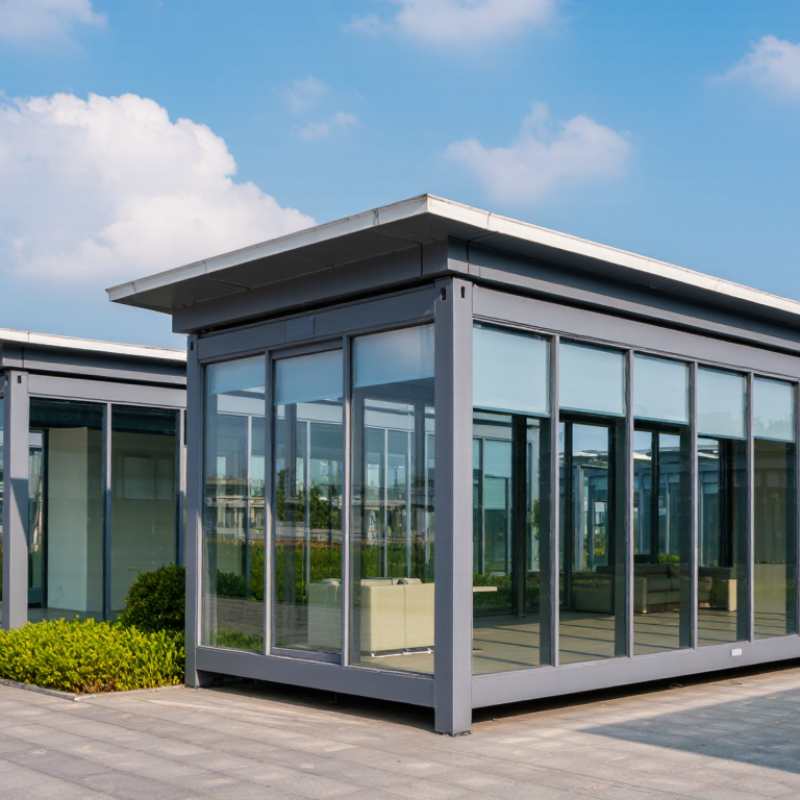
China Best Glass Curtain Wall Container Manufacturers

Understanding Glass Curtain Wall Containers

A glass curtain wall container combines a modular container frame with a non-load-bearing glazed exterior. The frame carries structural loads; the curtain wall shields the interior from wind and rain. Look closely at the junctions: insulated glass units, thermal breaks, sealed joints, and drainage paths all affect comfort and durability. Details matter. A narrow gap at a panel edge can invite water, while poorly controlled solar gain can make a sunlit room uncomfortable. Still, a bright facade is not automatically efficient.

The 2022 Global Status Report for Buildings and Construction, published by UNEP and GlobalABC, estimates that buildings accounted for 34% of global energy demand and 37% of energy- and process-related carbon dioxide emissions. Those figures cover the broader building sector, not container units alone, but they show why envelope performance deserves attention. For a project, ask for tested air and water resistance, glass thermal values, and connection details suited to transport and installation. Confirm how panels are protected from vibration before delivery, too. There is a catch: more glass can increase heat loss or solar heat gain, depending on climate and specification. I would not judge a system by appearance alone.

How Glass Curtain Wall Containers Are Designed and Manufactured

China Best Glass Curtain Wall Container Manufacturers

How Glass Curtain Wall Containers Are Designed and Manufactured

A glass curtain wall container begins with its steel frame, not the glass. Designers check how loads move through corner posts, floor beams, and roof rails. Openings for glazing must not weaken the frame without reinforcement. Even a small change can affect lifting and transport.

Details matter. Engineers select glass by panel size, wind exposure, safety needs, and local climate. Aluminum mullions hold each unit, while gaskets and pressure plates help manage water and air. Thermal breaks reduce heat transfer through metal connections. Drainage paths are tested, because trapped water can damage finishes over time.

Factory work usually starts with frame inspection and dimensional checks. Workers install brackets, set glass with lifting equipment, and verify clearances along each edge. A few millimeters matter. Seals are checked for gaps, and sample sections may undergo water testing before full production. The finished module also needs protection from road vibration and handling during delivery. This part is sometimes underestimated. A sound design can still arrive with shifted fittings or chipped edges, so transport planning deserves the same care as fabrication.

Key Materials, Standards, and Performance Factors

For container-based glass curtain walls, material selection begins with the glass build-up. Insulating glass units can combine low-emissivity coatings, argon-filled cavities, and laminated inner panes. These choices affect heat transfer, glare, noise, and safety. Aluminum frames need thermal breaks; otherwise, the frame can become a cold bridge. Sealant compatibility matters too. A neat-looking joint is not proof of durable weather protection.

Performance claims should match recognized test methods. ASTM E283 measures air leakage, E330 evaluates structural performance under pressure, and E331 tests water penetration. EN 13830 sets requirements for curtain walling in markets that use European standards. Confirm the applicable edition and project requirements before comparing supplier results.

The International Energy Agency’s 2023 Tracking Buildings report estimates that building operations account for about 30% of global final energy use and 26% of energy-related emissions. That context makes verified thermal performance important, but a laboratory rating alone cannot predict a poorly installed façade.

Ask manufacturers for glass make-up, coating position, frame thermal data, and test reports for the proposed assembly. Check how corners, drainage paths, and container-to-wall connections are detailed; these small interfaces often invite leaks. Inspect sample joints under realistic conditions. One weakness remains: test specimens rarely capture every site tolerance. A careful review of installation records and field checks can reveal gaps that polished brochures cannot.

Leading Glass Curtain Wall Container Manufacturers in China

Leading Glass Curtain Wall Container Manufacturers in China are assessed by more than appearance. A capable manufacturer should explain how the steel container frame supports the glazing system, where movement joints sit, and how water drains away. Ask for drawings showing glass thickness, framing details, sealant locations, and connection points. These details matter when a unit faces strong sun, wind, or frequent rain. A clear answer is more useful than a polished showroom image.

Tips: Request project drawings, material specifications, and a full-size corner mock-up. Check door alignment and inspect sealant joints closely. Small gaps matter.

Before ordering, compare production quality, installation guidance, and after-sales support. Ask how the manufacturer checks frame dimensions and protects glass during transport. If possible, review a finished unit and look at its corners, not only the broad glass panels. A neat render can hide awkward junctions or limited access for maintenance. We should admit that no checklist guarantees a trouble-free project; site conditions and installation quality still affect performance. Manufacturers who discuss these limits plainly are often easier to evaluate. Keep the specification consistent across quotations, so differences in glass, insulation, and hardware do not get lost in a low headline price.

How to Evaluate and Select a Manufacturer

China Best Glass Curtain Wall Container Manufacturers

How to Evaluate and Select a Manufacturer

Choosing a glass curtain wall container manufacturer takes more than comparing prices and attractive renderings. Ask for project drawings, glass specifications, frame details, and documented quality checks. Details matter. A reliable supplier should explain how the wall connects to the container frame and accommodates movement during transport and installation. Request evidence, not broad assurances.

Review performance requirements for the intended climate and use. Ask how the assembly handles wind loads, water penetration, insulation, and condensation. Confirm that glass types, coatings, seals, and frame materials are clearly listed in the proposal. A sample corner section can reveal uneven joints or messy sealant work. Yet one sample does not prove consistent factory production. Ask how dimensions are checked across multiple units and how defects are recorded and corrected.

Examine the manufacturer’s experience with similar container projects, including completed installations and practical references. Clarify who manages packing, delivery, installation guidance, replacement parts, and after-sales communication. Compare lead times against a realistic production schedule, not just an optimistic sales estimate. A polished sample can still hide awkward site work; that detail is easy to overlook. I would also leave room for revisions, because early drawings rarely capture every site condition.

FAQS

What is a glass curtain wall container?

It combines a modular steel frame with a glazed exterior that does not carry the main structural loads. The frame supports the unit; the glass helps shield it from wind and rain.

Which details affect comfort and durability?

Insulated glass, thermal breaks, sealed joints, and drainage paths all matter. Small gaps can admit water. Tiny, but consequential.

Does adding more glass always improve energy performance?

No. More glass can increase heat loss or solar gain, depending on climate and specifications. A bright room can still feel hot.

What should project drawings include?

Request glass thickness, framing details, sealant locations, drainage paths, and connection points. Clear drawings are more useful than polished renderings.

How is the frame checked before glazing?

Workers inspect dimensions and confirm that openings do not weaken the frame without reinforcement. Even a few millimeters can affect fit and transport.

What tests or samples should buyers request?

Ask for tested air and water resistance, glass thermal values, and suitable connection details. A full-size corner mock-up can reveal awkward joints.

Why does delivery protection matter?

Road vibration and handling can shift fittings or chip glass edges. Ask how panels are secured before shipment. Easy to overlook.

What should be inspected on a finished unit?

Check sealant joints, door alignment, corners, and access for maintenance. A checklist helps, but it cannot guarantee trouble-free installation.

Conclusion

This article explains what a Glass Curtain Wall Container is and how its glazed exterior combines visual appeal with practical performance. It outlines the design and manufacturing process, from planning the frame and glass layout to assembling and finishing the structure. It also introduces the key materials and performance considerations that influence durability, insulation, weather resistance, safety, and appearance, while noting the importance of relevant quality standards.

The article surveys the capabilities to look for among manufacturers in China without focusing on any particular brand. It offers a practical framework for comparing suppliers, including their engineering expertise, production capacity, material controls, quality inspections, customization options, communication, and after-sales support. By considering these factors together, buyers can assess whether a manufacturer can meet project requirements and deliver a reliable, well-designed container.


Alexander

Alexander

Alexander is a professional marketing specialist dedicated to helping businesses understand practical solutions, emerging market trends, and the value of reliable products. With extensive knowledge of the company’s product portfolio, he combines technical understanding with clear, customer-focused......

Let's start your project — from drawing to delivered module.

Contact Us